
The XR landscape is undergoing a seismic shift. For years, virtual reality has been defined by bulky headsets strapped to your face — but in 2026, the industry is placing its biggest bets on something far more elegant: smart glasses. At Google I/O this month, the tech giant alongside Samsung unveiled their "Intelligent Eyewear" project, while XREAL confirmed its "Project Aura" will be the first pair of AR glasses running on Google's new Android XR operating system.
The numbers tell a compelling story: smart glasses are now outselling traditional VR headsets by a 3:1 margin. And it's not just Google and Samsung — Apple is reportedly testing four different smart glasses designs after acquiring AI avatar startup Animato's talent and intellectual property.
Why the Shift Matters for VR Content
While smart glasses are designed primarily for augmented reality overlays and everyday productivity, the underlying technology is accelerating innovation across the entire XR spectrum. MicroLED displays, pancake lenses, and foveated rendering — technologies first developed for smart glasses — are trickling down into next-generation VR headsets, making them lighter, sharper, and more comfortable than ever.
For VR content consumers, this means the future is incredibly bright. Studios are already shooting in stunning 8K resolution — a resolution so detailed that every expression, every texture, and every movement feels photoreal. If you haven't experienced 8K VR yet, you owe it to yourself to check out the latest 8K VR videos on xMonter, where the best studios push the boundaries of visual fidelity daily.
Google & Samsung: The "Intelligent Eyewear" Play
At Google I/O 2026, the two tech giants showed off prototype smart glasses that combine real-time translation, AI-powered contextual awareness, and seamless integration with Android devices. Unlike Meta's Ray-Ban partnership, which focused on social media capture, Google and Samsung are aiming for an enterprise-first approach with consumer features layered on top.
The glasses are expected to launch this fall at a price point between $400 and $600 — significantly more accessible than Apple's $3,499 Vision Pro. XREAL's "Project Aura" will follow, running on Android XR and targeting content consumption and gaming.
What This Means for VR Enthusiasts
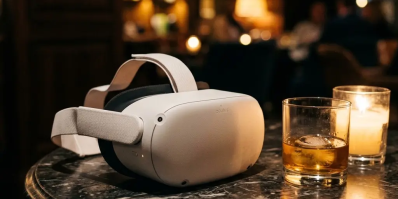
Don't panic — VR headsets aren't going anywhere. The shift to smart glasses is additive, not a replacement. For fully immersive experiences — gaming, cinematic VR, and adult VR content — traditional headsets remain the gold standard. The Quest 3S, for example, continues to dominate the standalone VR market with its exceptional price-to-performance ratio.
The real winner? You, the consumer. Competition between smart glasses and VR headsets is driving down prices, improving display quality, and expanding content libraries faster than ever. Ready to experience what modern VR has to offer? Explore xMonter.com for the largest collection of premium 8K VR content — over 48,000 videos from 380+ studios, updated daily.
The Bottom Line
2026 is the year XR goes mainstream — not through one form factor, but through a diverse ecosystem of devices ranging from ultralight smart glasses to high-end VR headsets. Whether you're a casual tech enthusiast or a dedicated VR fan, the future of immersive technology has never looked more exciting.
Stay tuned to xVirtualReal for the latest VR technology news and insights. And for the best in premium immersive content, visit xMonter.com — your gateway to 48,000+ VR videos in stunning 8K quality.